Key takeaways
- A deepfake is image, video or audio content that AI has generated or altered so that it falsely appears authentic. Most deepfakes show a real person saying or doing something they never said or did.
- The main visual types are face swaps, face reenactment, lip-sync and fully generated images and video. Voice cloning is the audio counterpart.
- Most deepfakes found online are sexual and target women. Fraud, impersonation and political disinformation are the other main uses.
- The EU AI Act requires deepfakes to be disclosed from 2 August 2026. The US TAKE IT DOWN Act requires platforms to remove non-consensual intimate deepfakes within 48 hours of a valid request.
- People cannot reliably spot deepfakes by eye. Detection combines pixel analysis, invisible watermarks and content credentials.
Contents
Definition
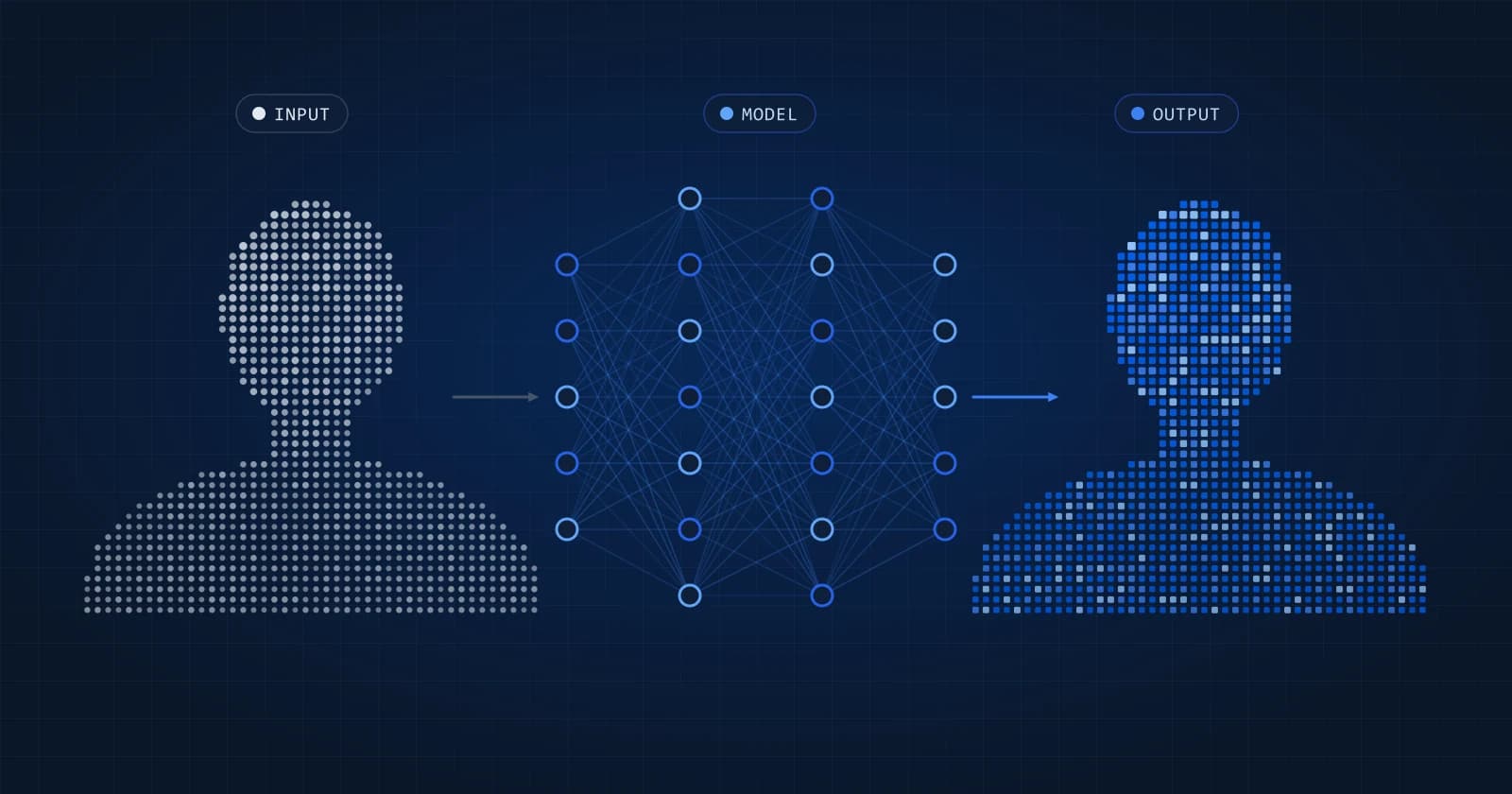
A deepfake is an image, video or audio recording that has been generated or altered with artificial intelligence so that it looks or sounds real. The typical deepfake shows a real, identifiable person saying or doing something they never said or did.
The EU AI Act gives the most widely used legal definition. Article 3(60) defines a deep fake as "AI-generated or manipulated image, audio or video content that resembles existing persons, objects, places, entities or events and would falsely appear to a person to be authentic or truthful."
Three conditions follow from that definition:
- AI made or changed it. Cropping, colour correction or a misleading caption is not a deepfake.
- It resembles something real. Usually a real person, but the definition also covers places and events.
- It could pass as authentic. Obvious cartoons and clearly labelled AI art are not the concern. The risk is content a viewer would take as a real recording.
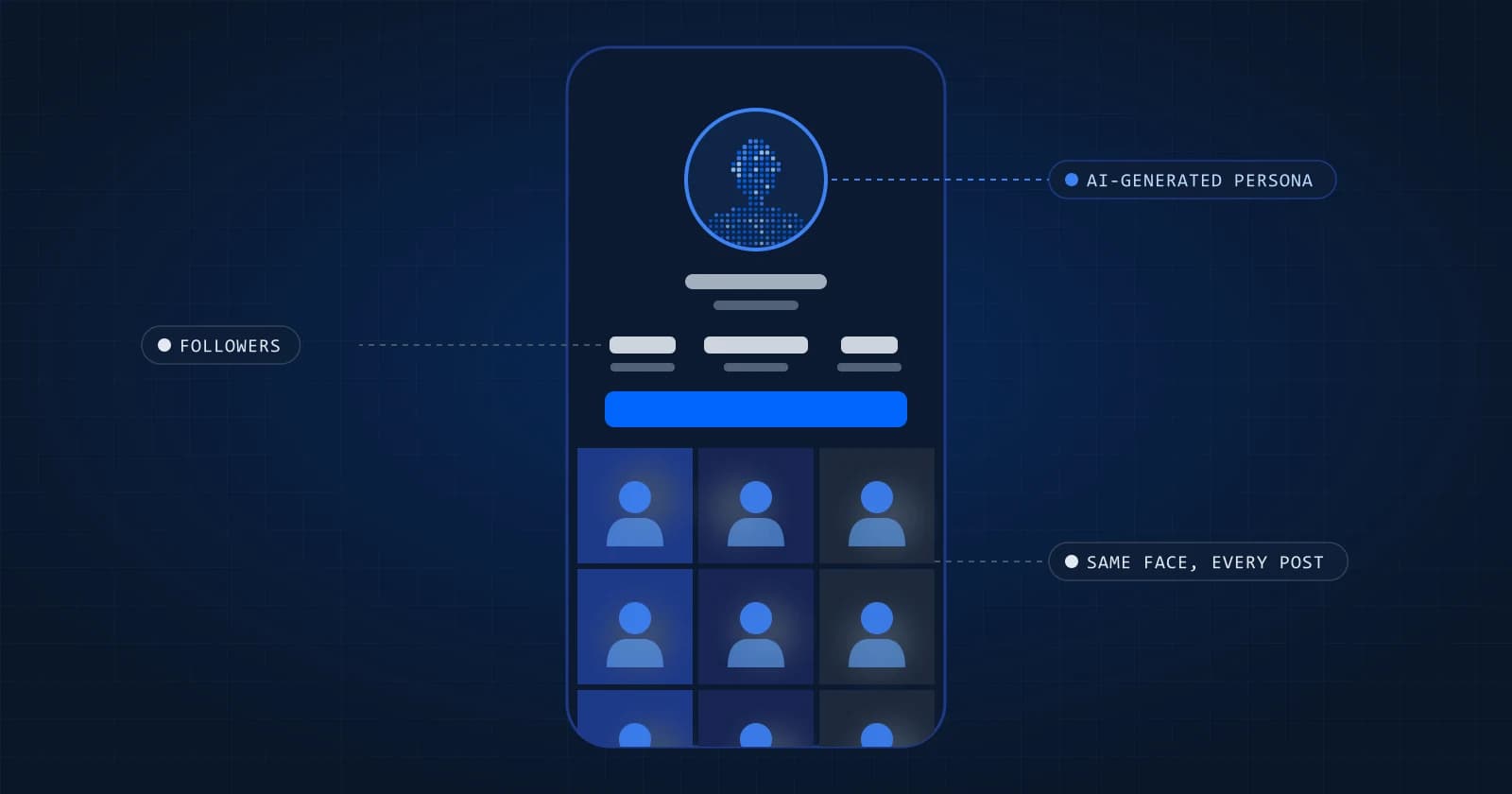
An AI image of a person who does not exist is synthetic media. It becomes a deepfake problem when it is presented as real, for example as the profile photo of a fake account or as a "witness" photo in a news story.
Deepfake, synthetic media and cheapfake
| Term | Meaning |
|---|---|
| Deepfake | AI-generated or AI-altered media that falsely appears authentic, usually showing a real person |
| Synthetic media | Any content generated by AI, whether or not it is meant to deceive |
| AI edit | A real photo or video with part of it changed by an AI tool |
| Cheapfake | Misleading media made without AI: a slowed-down clip, a selective cut or a false caption |
Where the term comes from
The word combines "deep learning" and "fake". It dates from late 2017, when Motherboard reported on a Reddit user called "deepfakes" who was posting pornographic videos with celebrities' faces swapped in, made with open-source machine learning tools. The name stuck to the technique and then to the whole category.
The underlying methods are older. Generative adversarial networks, the model family behind the first photorealistic fake faces, were introduced in 2014. In 2017 the methods reached anyone with a consumer graphics card and open-source code. After 2022, diffusion models and commercial apps removed most of the remaining skill.
Types of deepfakes
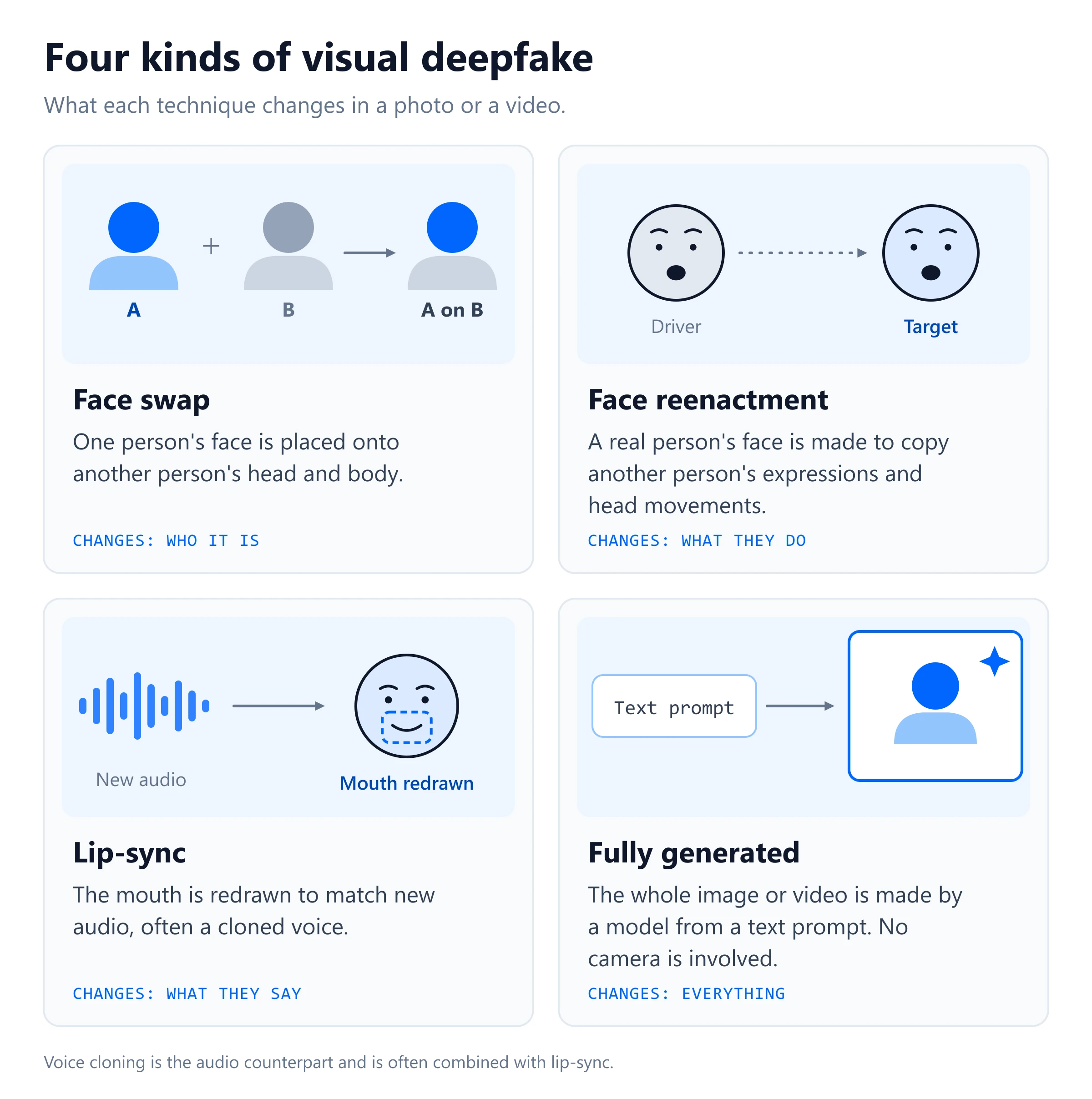
Face swap
One person's face is placed onto another person's head and body in a photo or video. The rest of the scene is genuine. Face swaps are the original deepfake technique. They are used in non-consensual sexual deepfakes, fake celebrity endorsements and ID selfie fraud.
Face reenactment
A real person's face is animated to copy another person's expressions and head movements. The identity stays the same; the behaviour changes. A single photo can be turned into a moving, speaking face.
Lip-sync
The mouth area of a genuine video is redrawn to match new audio, often a cloned voice. Everything else in the footage is real, which makes lip-sync deepfakes persuasive when the setting is familiar, such as a press conference or an earnings call.
Fully generated images and video
The whole image or video is created by a model from a text prompt, with no camera involved. Since 2025, video models such as Google's Veo 3 and OpenAI's Sora 2 generate realistic scenes with synchronised speech and sound.
Voice cloning
A model learns a person's voice from recordings and speaks any text in it. Voice clones are used in phone fraud and robocalls, and are often combined with lip-sync video. Our guide on how deepfakes are made explains the techniques behind each type.
Documented cases
| Date | Case | Source |
|---|---|---|
| 2019 | Researchers found 14,678 deepfake videos online; 96% were pornographic | Deeptrace |
| Mar 2022 | A deepfake of Ukraine's president telling soldiers to surrender was posted on a hacked news site. Meta and YouTube removed it | Euronews |
| Jan 2024 | Sexually explicit AI images of Taylor Swift spread on X; one was reportedly viewed 47 million times. X temporarily blocked searches for her name | Al Jazeera |
| Jan 2024 | AI-generated robocalls imitating President Biden's voice told New Hampshire voters to stay home. The FCC ruled in February that AI voices in robocalls fall under the TCPA | FCC |
| Feb 2024 | An employee of the engineering firm Arup paid out HK$200 million (about US$25.6 million) after a video call in which the other participants were deepfakes of the company's CFO and colleagues | CFO Dive |
| Jan 2026 | X's Grok chatbot produced sexualised edits of real people's photos on request. Ofcom and the European Commission opened investigations | NBC News |
How common deepfakes are
- Volume. A 2023 study counted 95,820 deepfake videos online, a 550% increase on 2019. 98% were pornographic, and 99% of the people targeted in them were women.
- Fraud. One in five biometric fraud attempts is now a deepfake, according to the Entrust 2026 Identity Fraud Report. Deloitte estimates generative AI could enable US fraud losses of $40 billion by 2027.
- Human detection. In a 2025 iProov study, 0.1% of 2,000 people correctly identified every real and fake image and video they were shown. In a 2022 study in PNAS, people told AI-generated faces from real ones 48.2% of the time, close to the 50% of a coin toss, and rated the AI faces as more trustworthy.
Harms and risks
Non-consensual sexual imagery
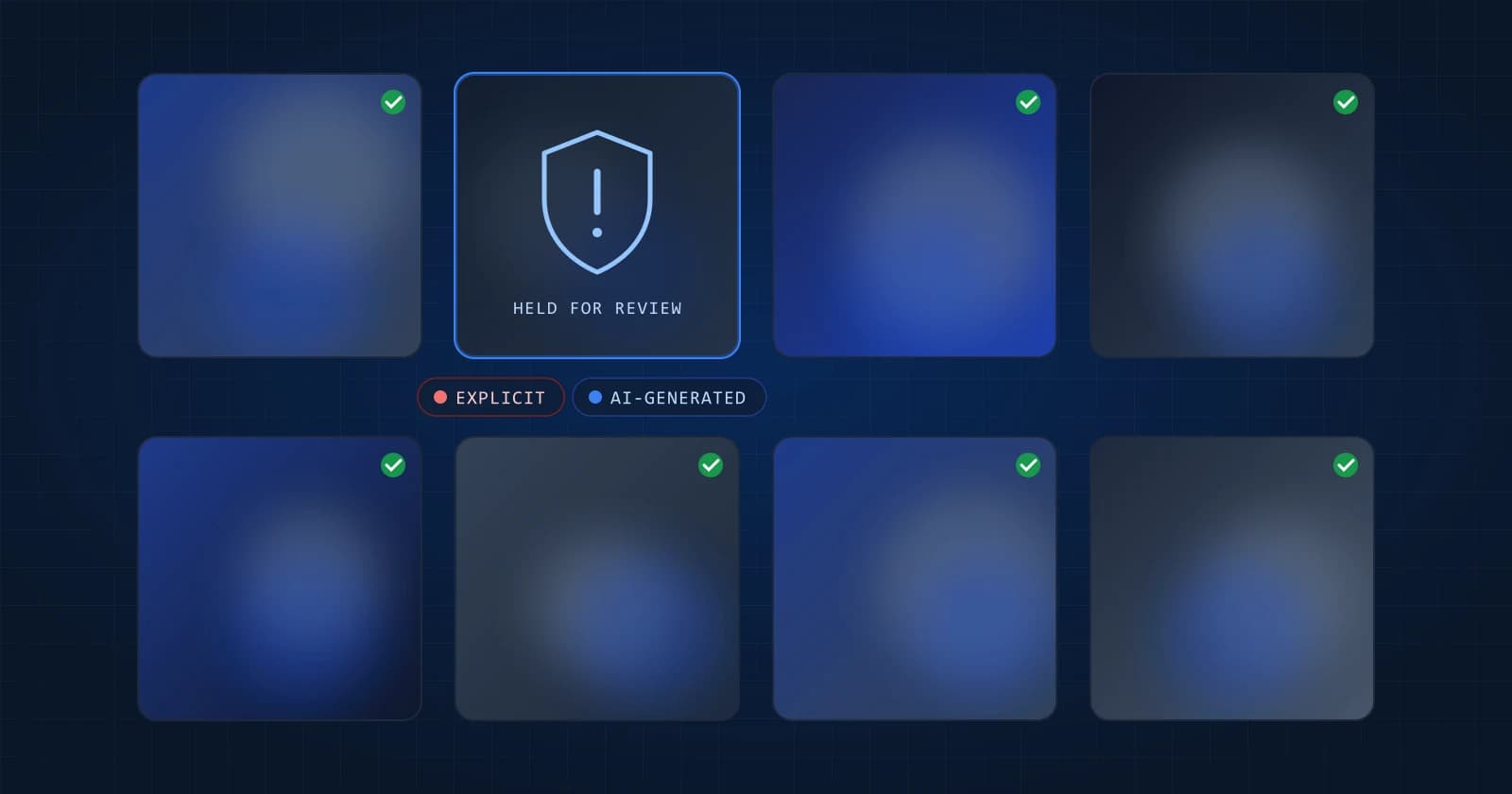
Sexual deepfakes of real people are the largest category by far. The harm does not depend on whether viewers believe the image is real. See what deepfake pornography is for the laws and how platforms respond.
Fraud and impersonation
Deepfaked executives on video calls, cloned voices asking for urgent payments, AI-generated selfies at account opening, fake profile photos in romance scams and AI-edited photos in insurance claims all rely on the same weakness: the image or voice is taken as proof of who someone is or what happened.
Disinformation
Fabricated footage of politicians, fake war images and AI-generated "evidence" spread faster than corrections. Elections are the most visible target.
The liar's dividend
When anything can be faked, genuine recordings can be dismissed as fakes. Legal scholars Robert Chesney and Danielle Citron called this the liar's dividend. It makes reliable verification more valuable, not less.
Deepfake laws
| Jurisdiction | Law | What it does | In force |
|---|---|---|---|
| EU | AI Act, Article 50 | Deployers must disclose that deepfake content is AI-generated or manipulated. Providers must mark AI output in a machine-readable format | 2 August 2026 |
| EU | Directive (EU) 2024/1385 | Member states must criminalise producing and sharing intimate deepfakes without consent | By 14 June 2027 |
| US | TAKE IT DOWN Act | Crime to knowingly publish non-consensual intimate images, including AI "digital forgeries". Platforms must remove them within 48 hours of a valid request | Signed 19 May 2025; platform duties from 19 May 2026 |
| US | FCC declaratory ruling | AI-generated voices in robocalls count as artificial voices under the TCPA | February 2024 |
| UK | Online Safety Act 2023; Data (Use and Access) Act 2025 | Sharing an intimate deepfake is an offence; creating or requesting one is now an offence too | Creation offence in force since early 2026 |
| South Korea | Sexual violence law amendments | Possessing, buying, storing or viewing sexual deepfakes is punishable by up to three years in prison | Passed September 2024 |
For AI systems already on the market before 2 August 2026, the EU marking duty for providers applies from 2 December 2026. This table is a summary, not legal advice.
How to spot a deepfake
Visual tells such as odd blinking, warped hands or blurry teeth were useful a few years ago. Current generators rarely make those mistakes, so checks should not rely on them. A practical order:
- Check the source. Who posted it first, and is the original file available? A screenshot of a screenshot carries far less information than the camera original.
- Look for provenance. Content credentials (C2PA) and invisible watermarks can show that a file came from an AI tool and name the tool. Our free SynthID decoder checks an image for Google's and OpenAI's watermarks.
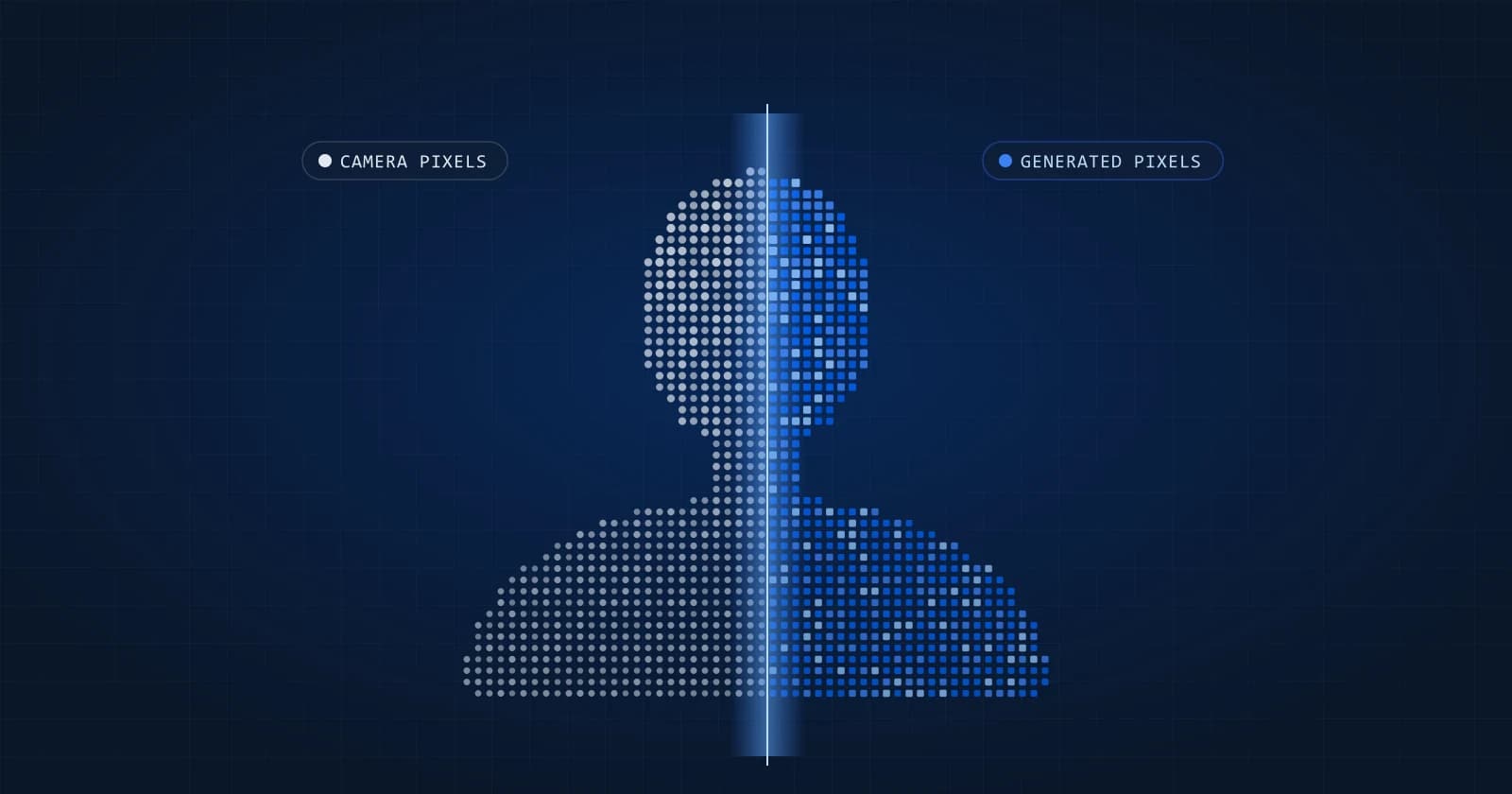
- Scan the pixels. A detection model reads the statistical traces that generation leaves, and keeps working when metadata has been stripped.
- Confirm out of band. For payment requests or identity checks, call back on a known number or use a second channel before acting.
How Sightova detects AI-generated images
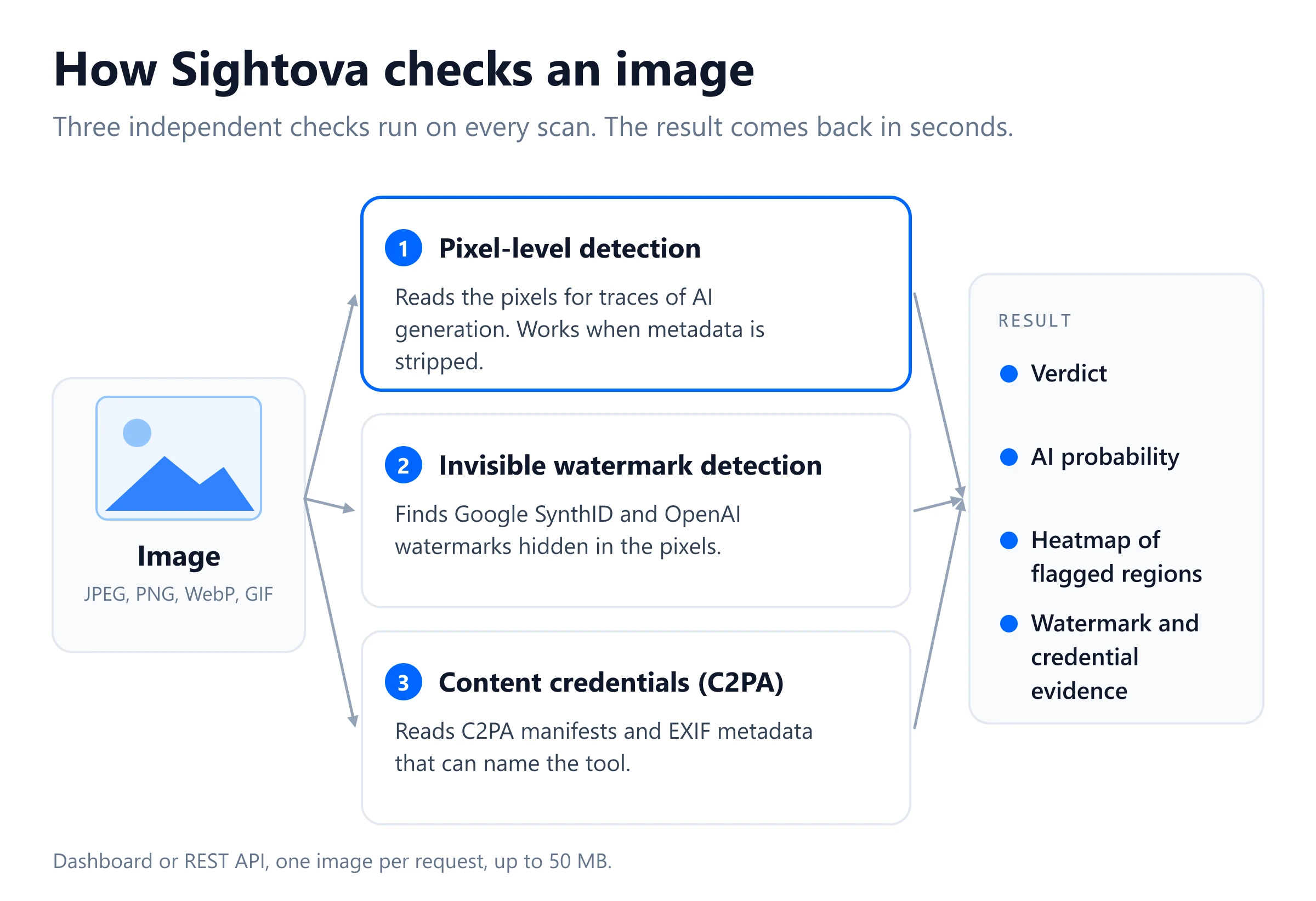
Sightova checks every image three ways and returns the result in seconds:
- Pixel-level detection. A detection model reads the image itself for traces of AI generation and editing, and returns an AI probability and a verdict. It keeps working when social platforms and messaging apps have stripped the file's metadata.
- Invisible watermark detection. Sightova looks for the watermarks Google (SynthID) and OpenAI hide in the pixels of their AI images. A watermark that is found names the source.
- Content credentials and metadata. Sightova reads C2PA manifests and EXIF data. A signed credential can state which tool made the image.
On Starter plans and above, a heatmap shows where in the image the model sees generation or editing, so a reviewer knows where to look. Images go in through the dashboard or the REST API, one image per request, in JPEG, PNG, GIF or WebP up to 50 MB.
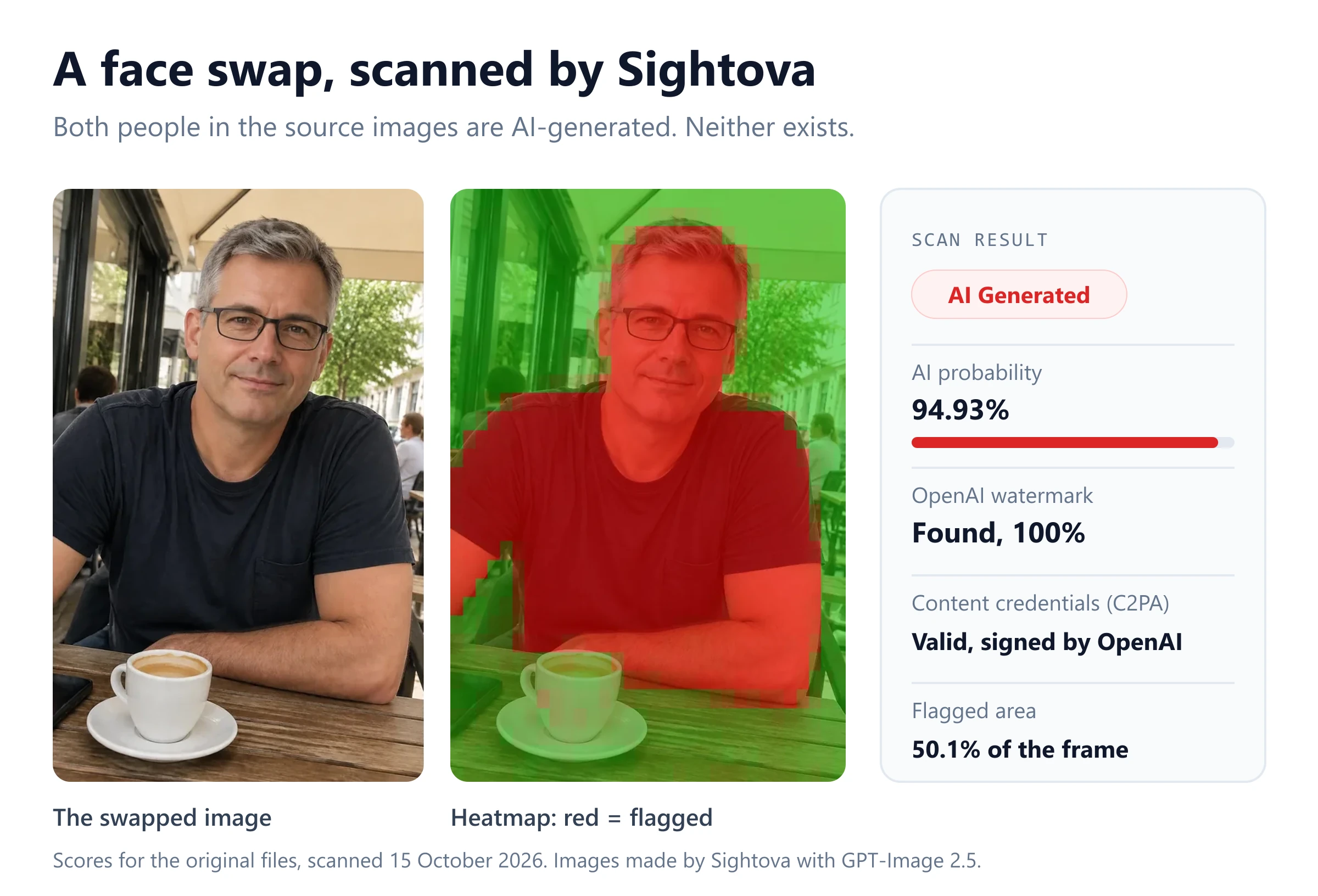
The example above is a face swap we made ourselves from two AI-generated men, so no real person is involved. All three checks flagged it. The full test is in face swaps without a real victim, and our testing methodology reports how the detection model performs on public benchmarks.
Sightova detects AI-generated and AI-edited images, and checks AI-generated video frame by frame with AI Video Detection on the Starter plan and above.
Detect AI-generated images with Sightova
Scan in the dashboard or build it into your upload flow with the API.
Frequently asked questions
What is a deepfake in simple terms?
A deepfake is a photo, video or audio clip that AI has created or changed so that it looks or sounds real. Most deepfakes show a real person saying or doing something they never did.
Are deepfakes illegal?
Making a deepfake is not illegal in itself in most countries, but many uses are. Non-consensual sexual deepfakes are a crime in the US, the UK, South Korea and, by June 2027, across the EU. Deepfakes used for fraud fall under fraud law, and AI-voiced robocalls are covered by US telemarketing rules. From 2 August 2026, the EU AI Act requires deepfakes to be disclosed.
How can you tell if an image is a deepfake?
Check where the image came from and whether the original file is available, look for content credentials and invisible watermarks, and scan the image with an AI detection model. Visual tells are no longer reliable with current generators.
Can AI detect deepfakes?
Yes. Detection models read statistical traces that generation leaves in the pixels, and provenance checks read watermarks and content credentials that some AI tools add. Using both gives more reliable results than either alone, and much better results than the human eye.
What is the difference between a deepfake and a cheapfake?
A deepfake is made or altered with AI. A cheapfake misleads without AI, for example by slowing down a clip, cutting it selectively or attaching a false caption to a genuine photo.
Does Sightova detect deepfakes?
Sightova detects AI-generated and AI-edited images, from fully generated portraits to AI-edited photos, with pixel-level detection, invisible watermark detection (Google SynthID and OpenAI) and C2PA content credentials. AI-generated video is checked frame by frame with AI Video Detection, on the Starter plan and above.