Accurate AI Image Detection for everyone.
Upload an image to check for AI
5 free credits / dayPaste or drag and drop it here, or upload a file
JPG, PNG, WebP • up to 50MB
Detect AI-generated images in seconds and see why. Invisible watermarks and C2PA credentials can name the exact tool, and our model reads the pixels even when metadata has been stripped.
Tested against 50+ generative models.
Spot synthetic images from the generators people actually use. Sightova is tested on images from the leading AI models, including:
Works Without Metadata
Our AI model reads the pixels, so detection keeps working when social platforms and messaging apps strip an image's metadata. When an image carries an invisible watermark (Google SynthID, OpenAI), C2PA content credentials or EXIF data, Sightova reads those too, and a watermark or credentials can name the exact tool.
*The OpenAI, Midjourney, Google Gemini, Stable Diffusion, Flux and Ideogram trademarks and logos are the property of their respective trademark holders. They are not affiliated with Sightova.


The Scope of the Synthetic Threat
100B+
Images and videos carry Google's SynthID watermark, from a single AI provider.
Google, I/O 2026 keynote, May 20260.1%
Of 2,000 people tested told every real and fake image and video apart, even when told to look for fakes.
iProov study, Feb 2025180%
Rise in multi-step fraud attacks that combine several advanced techniques, in 2025.
Sumsub Identity Fraud Report 2025-2026, Nov 2025Who Needs AI Image Detection?
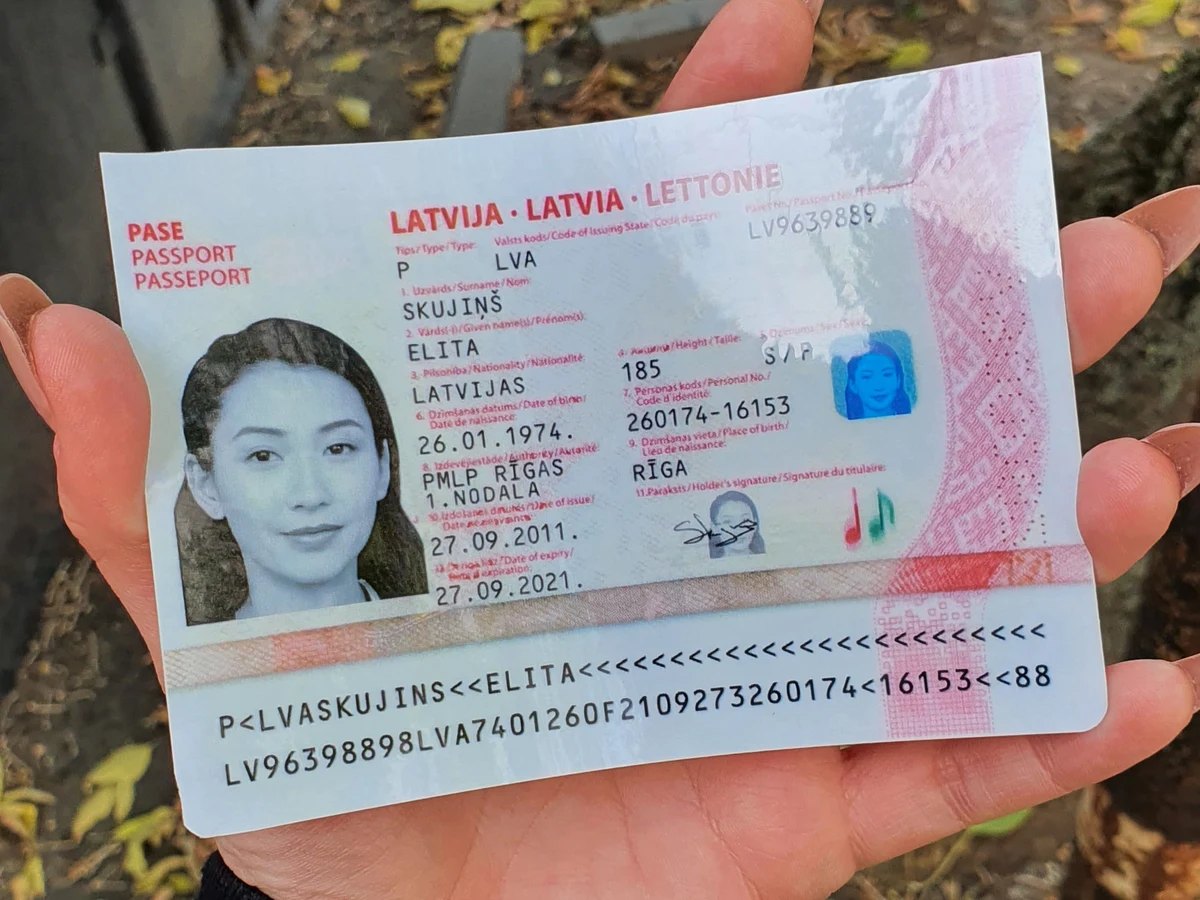
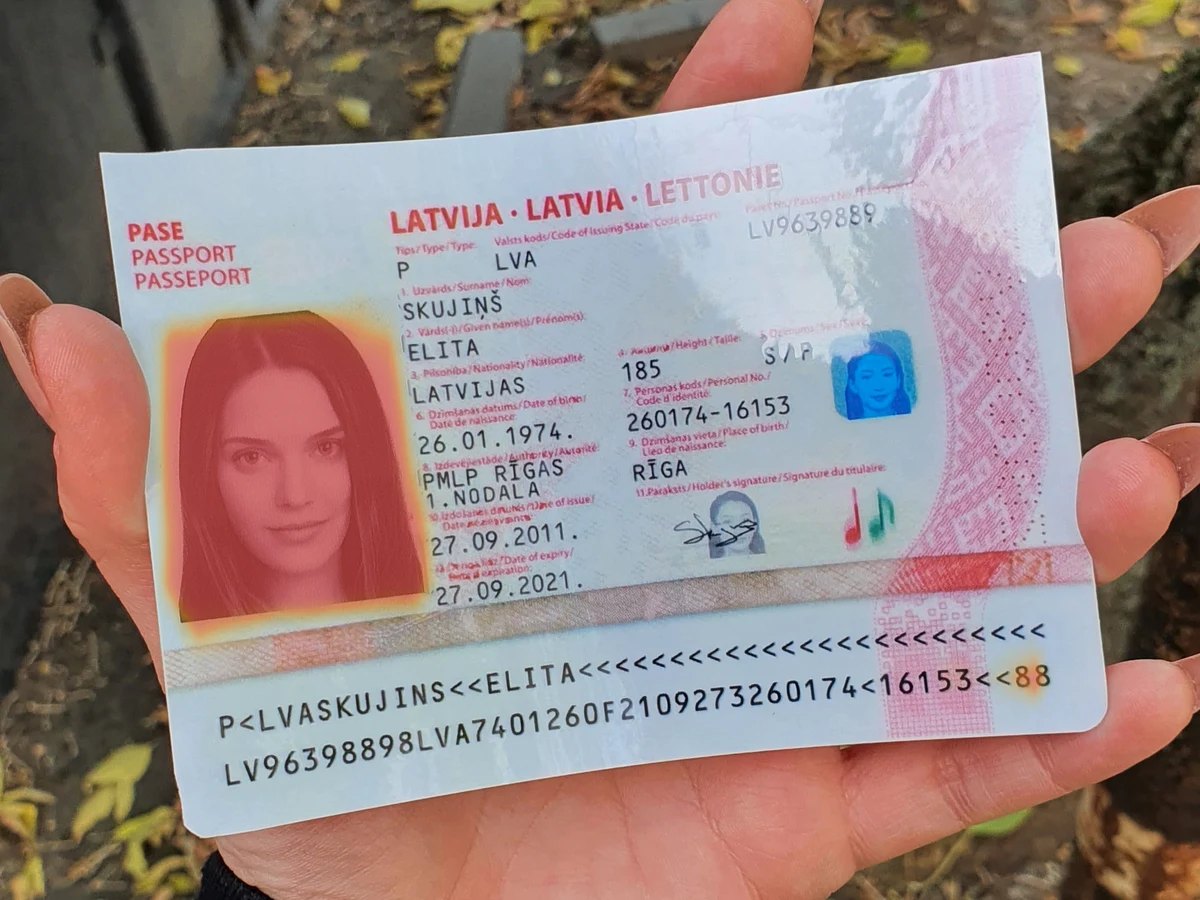
Passport from MIDV-DM by Smart Engines, based on MIDV-2020 (CC BY-SA 2.5): a mock document with invented details and a generated face, shared under the same licence. Highlight: Sightova's document heatmap for this edit.
Flag AI Manipulation, Fraud, and Deepfakes
Flag synthetic images before anyone acts on them. Sightova scores the image and reveals the evidence behind the result, whatever the threat.
Disinformation Campaigns
Expose AI-generated images built to spread false narratives across media channels.
Fraudulent Insurance Claims
Flag fabricated or AI-edited images submitted to support claims for staged accidents or property damage.
Inauthentic Profiles
Flag AI-generated faces that scammers use to build fake accounts.
Identity Document Spoofing
Spot AI-altered ID card images and AI-generated selfies before anyone approves them.
Marketplace Flooding
Flag AI-generated product photos used in spam listings.
Fabricated Visual Evidence
Spot AI-edited or entirely generated photos submitted as proof for incidents or reports.
Digital Impersonation
Flag AI-generated or AI-edited images that show real people in scenes that never happened.
Image-Based Abuse
Combine the AI-image and NSFW scores to surface synthetic explicit imagery for your moderators.
Fabricated News Events
Spot realistic AI-generated images of events that never actually happened.

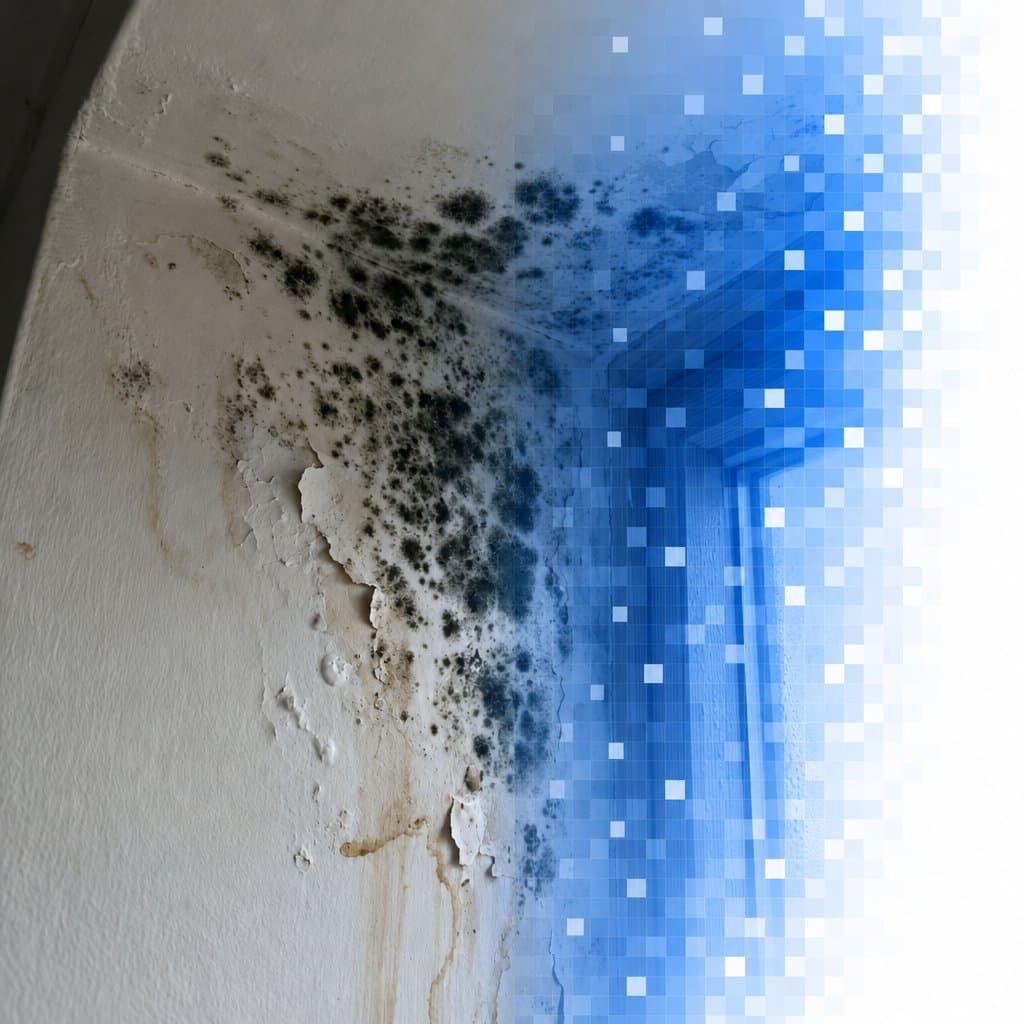







Synthetic media is now an enterprise risk
AI-generated images and forged documents are reaching onboarding, claims and moderation queues. New rules require AI output to be marked. Detection covers the images that carry no mark.
in US fraud losses generative AI could enable by 2027
of anti-fraud professionals feel more than moderately prepared for AI-enabled fraud
Check the credentials a file carries. Analyse the pixels when it carries none.
Document tampering detection and NSFW and violence scores run through the same REST API.
- 01
Content credentials
Reads C2PA manifests and EXIF metadata, and names the tool when a signed credential identifies it.
- 02
Invisible watermarks
Checks for Google SynthID and OpenAI watermarks embedded at generation.
- 03
Pixel analysis
Scores the image itself when no credential or watermark is present.
Who It Is For
From one suspicious photo to a full moderation pipeline: start in the dashboard or connect the REST API, free and with no credit card.
Screen profile photos and user uploads
Call the REST API from your upload flow and score each image for AI generation. Add the NSFW and violence checks where your policy needs them, then label, hold or review what gets flagged.
- AI image detection
- Watermark & C2PA
- NSFW
- Violence
- Profile and avatar photos
- Posts with images
- Reported images
- Images in messages
Verify source images before publication
Check images from social media, tips and agencies before they run. A watermark or C2PA credential can name the exact tool that made an image. The pixel model scores images that carry neither.
- AI image detection
- Watermark & C2PA
- EXIF metadata
- HeatmapStarter+
- Images from social media
- Reader and source submissions
- Agency and freelance photos
- Images of breaking events
Check suspicious images before your team acts
Run profile photos and documents from suspected impersonation and fraud attempts through the dashboard or the API. Each result comes back as structured JSON you can attach to the case.
- AI image detection
- Document tamperingStarter+
- Watermark & C2PA
- EXIF metadata
- Profile photos in impersonation attempts
- Images attached to phishing emails
- Edited invoices and documents
- Vendor and applicant photos
Score uploads for AI generation, nudity and violence
Score each upload for AI generation, explicit content and violence. You set the thresholds and route flagged images to human review.
- AI image detection
- NSFW
- Violence
- Watermark & C2PA
- User uploads at submission
- Reported images
- Ad creatives
- Community and marketplace photos
Flag AI-generated listing photos
Score listing photos before they go live and point your trust team at the listings worth a closer look. On Starter and up, the heatmap shows which regions drove the score.
- AI image detection
- HeatmapStarter+
- Watermark & C2PA
- Document tamperingStarter+
- New listing photos
- Seller profile photos
- Review photos
- Receipts and invoices
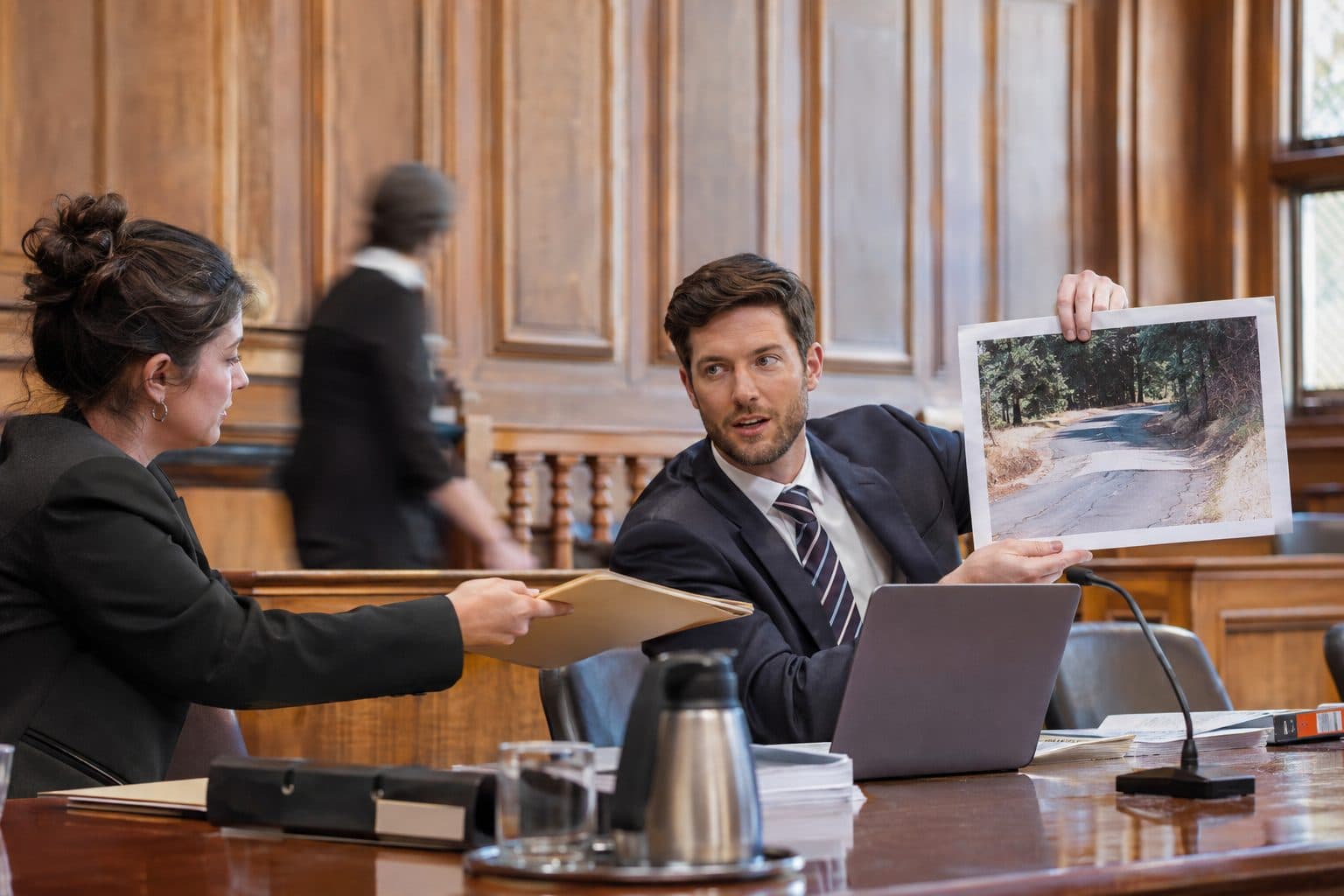
Review images and documents submitted as evidence
Get a second look at whether an exhibit looks AI-generated or edited. The heatmap shows where to look, and metadata and C2PA findings are listed with each result.
- AI image detection
- Document tamperingStarter+
- HeatmapStarter+
- EXIF metadata
- Photos submitted as evidence
- Scanned contracts and documents
- Claim photos
- Images in disclosure sets




Screen profile photos and user uploads
Call the REST API from your upload flow and score each image for AI generation. Add the NSFW and violence checks where your policy needs them, then label, hold or review what gets flagged.
- AI image detection
- Watermark & C2PA
- NSFW
- Violence
- Profile and avatar photos
- Posts with images
- Reported images
- Images in messages
Verify source images before publication
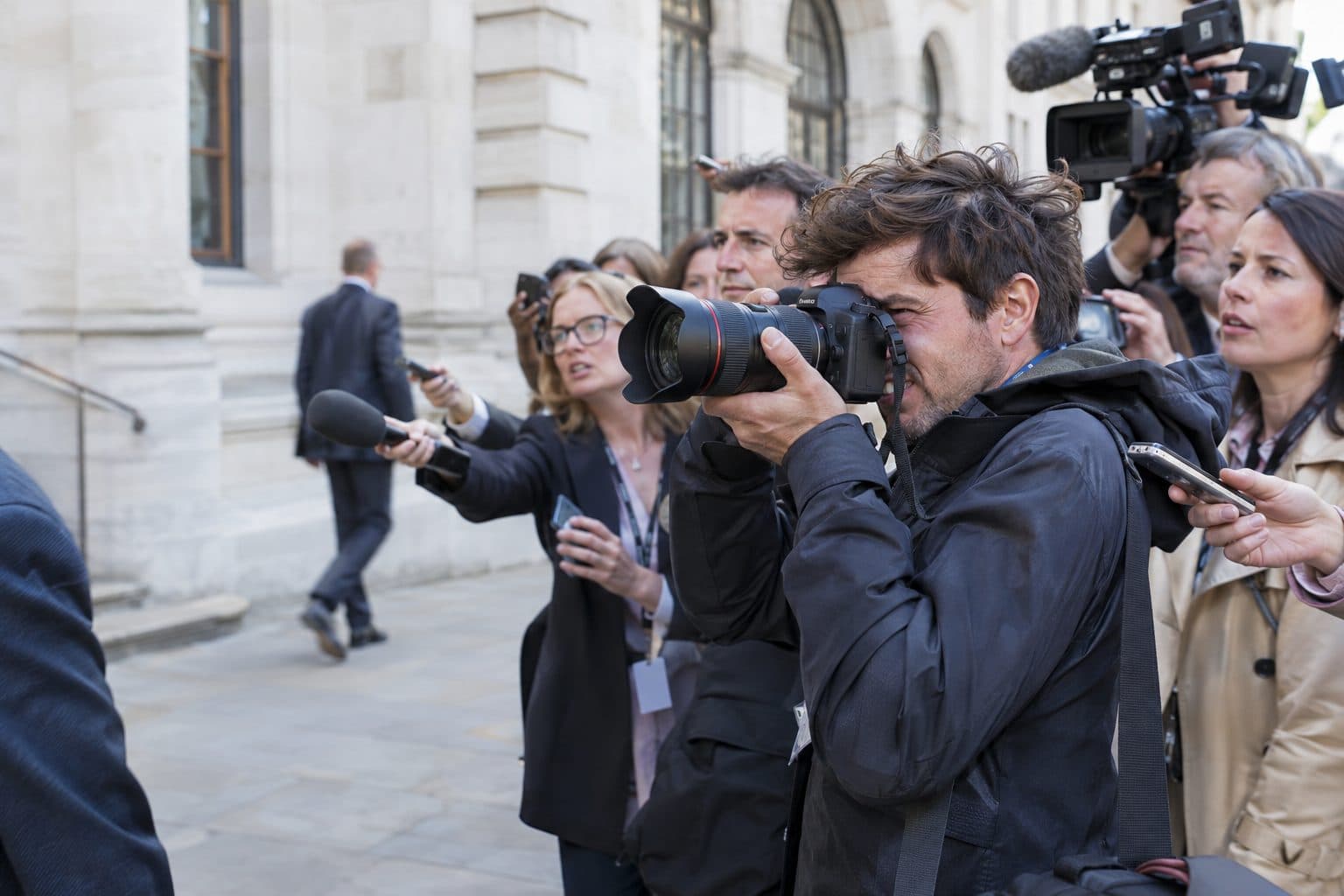
Check images from social media, tips and agencies before they run. A watermark or C2PA credential can name the exact tool that made an image. The pixel model scores images that carry neither.
- AI image detection
- Watermark & C2PA
- EXIF metadata
- HeatmapStarter+
- Images from social media
- Reader and source submissions
- Agency and freelance photos
- Images of breaking events
Check suspicious images before your team acts
Run profile photos and documents from suspected impersonation and fraud attempts through the dashboard or the API. Each result comes back as structured JSON you can attach to the case.
- AI image detection
- Document tamperingStarter+
- Watermark & C2PA
- EXIF metadata
- Profile photos in impersonation attempts
- Images attached to phishing emails
- Edited invoices and documents
- Vendor and applicant photos
Score uploads for AI generation, nudity and violence
Score each upload for AI generation, explicit content and violence. You set the thresholds and route flagged images to human review.
- AI image detection
- NSFW
- Violence
- Watermark & C2PA
- User uploads at submission
- Reported images
- Ad creatives
- Community and marketplace photos
Flag AI-generated listing photos
Score listing photos before they go live and point your trust team at the listings worth a closer look. On Starter and up, the heatmap shows which regions drove the score.
- AI image detection
- HeatmapStarter+
- Watermark & C2PA
- Document tamperingStarter+
- New listing photos
- Seller profile photos
- Review photos
- Receipts and invoices
Review images and documents submitted as evidence
Get a second look at whether an exhibit looks AI-generated or edited. The heatmap shows where to look, and metadata and C2PA findings are listed with each result.
- AI image detection
- Document tamperingStarter+
- HeatmapStarter+
- EXIF metadata
- Photos submitted as evidence
- Scanned contracts and documents
- Claim photos
- Images in disclosure sets
AI Image Detection FAQ
Everything you need to know about our forensic AI image detector and how to verify visual truth.
Latest from the blog
Research, fraud cases and detection guides from the Sightova team.
Product
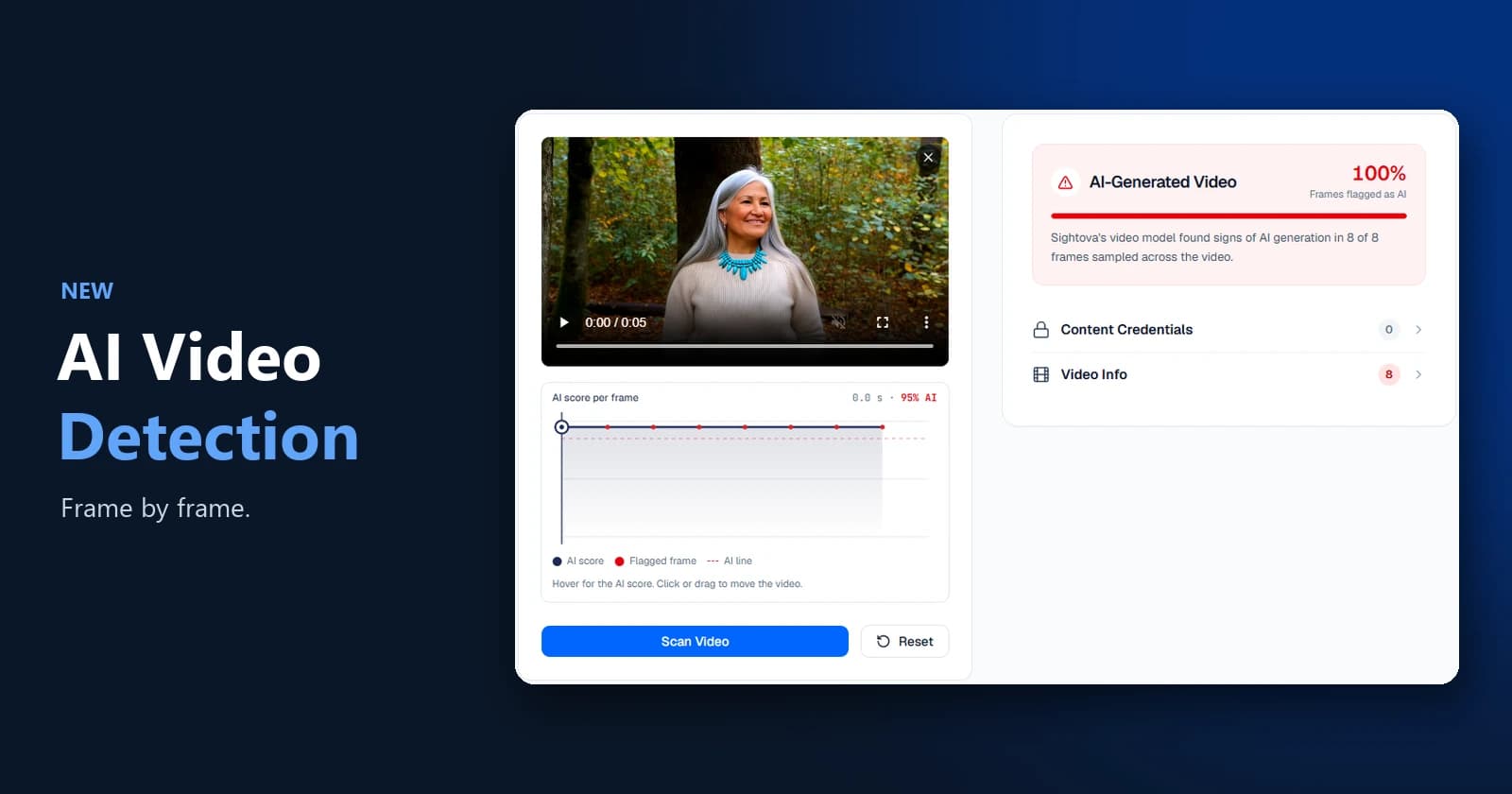
Introducing AI Video Detection: Check Any Video Frame by Frame
Sightova now detects AI-generated video. Upload a clip or paste a TikTok, Instagram, X or YouTube Shorts link, and our video model scores frames across the whole clip and returns a verdict with a timeline. Here is how it works, what a result looks like, and how it scores on public benchmarks.
November 14, 2026 · 6 min read
Product
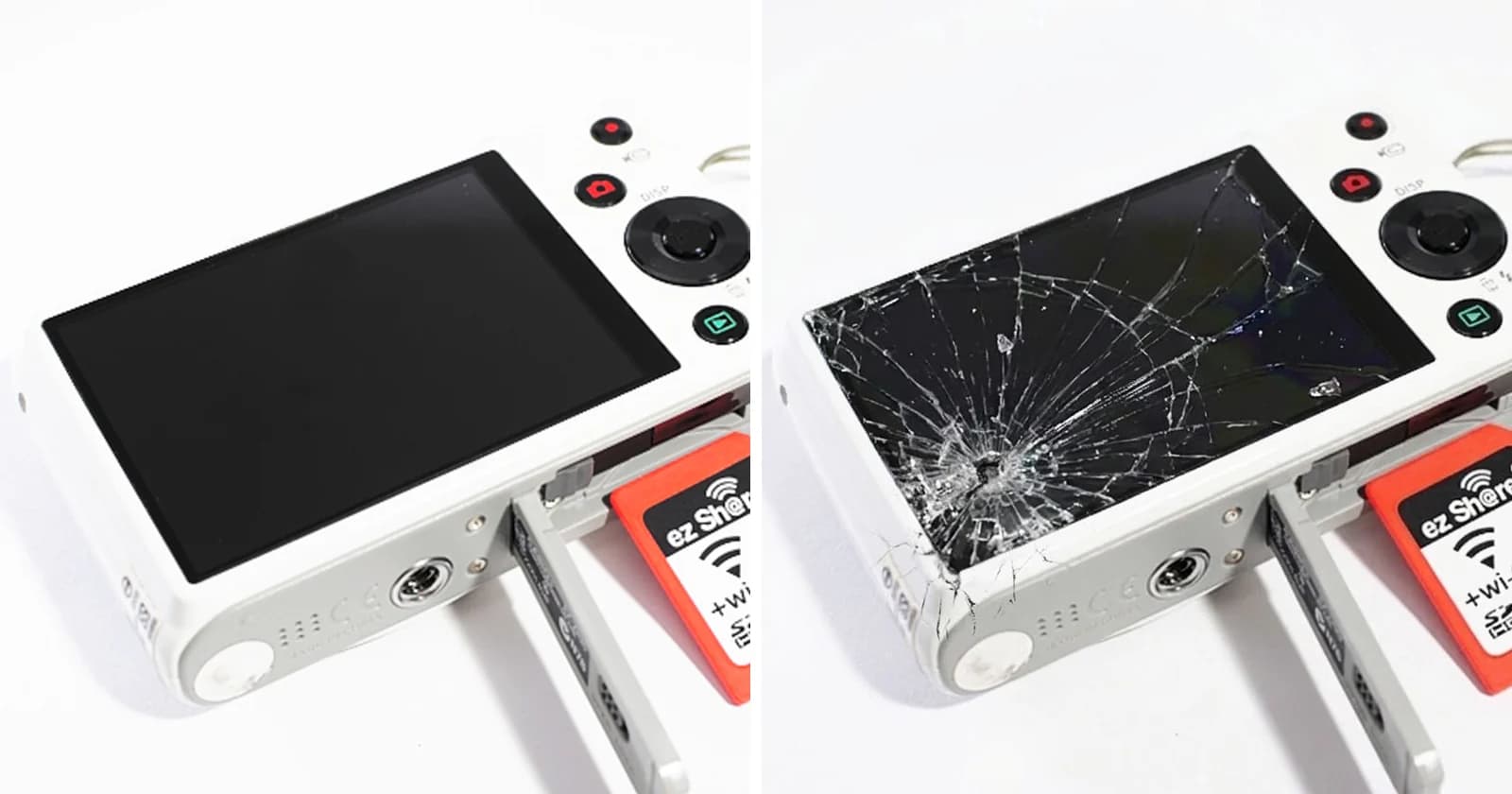
Our New Model Catches the Small AI Edits Behind Fake Damage Claims
On 9 November 2026 we put a new detection model into production, built for the photos people send as evidence. We broke a camera, a toaster, a lamp and a clock with ChatGPT and Gemini, stripped every watermark from some of them, and scanned them all. Every edit was flagged, and every real photo passed.
November 9, 2026 · 6 min read
Product
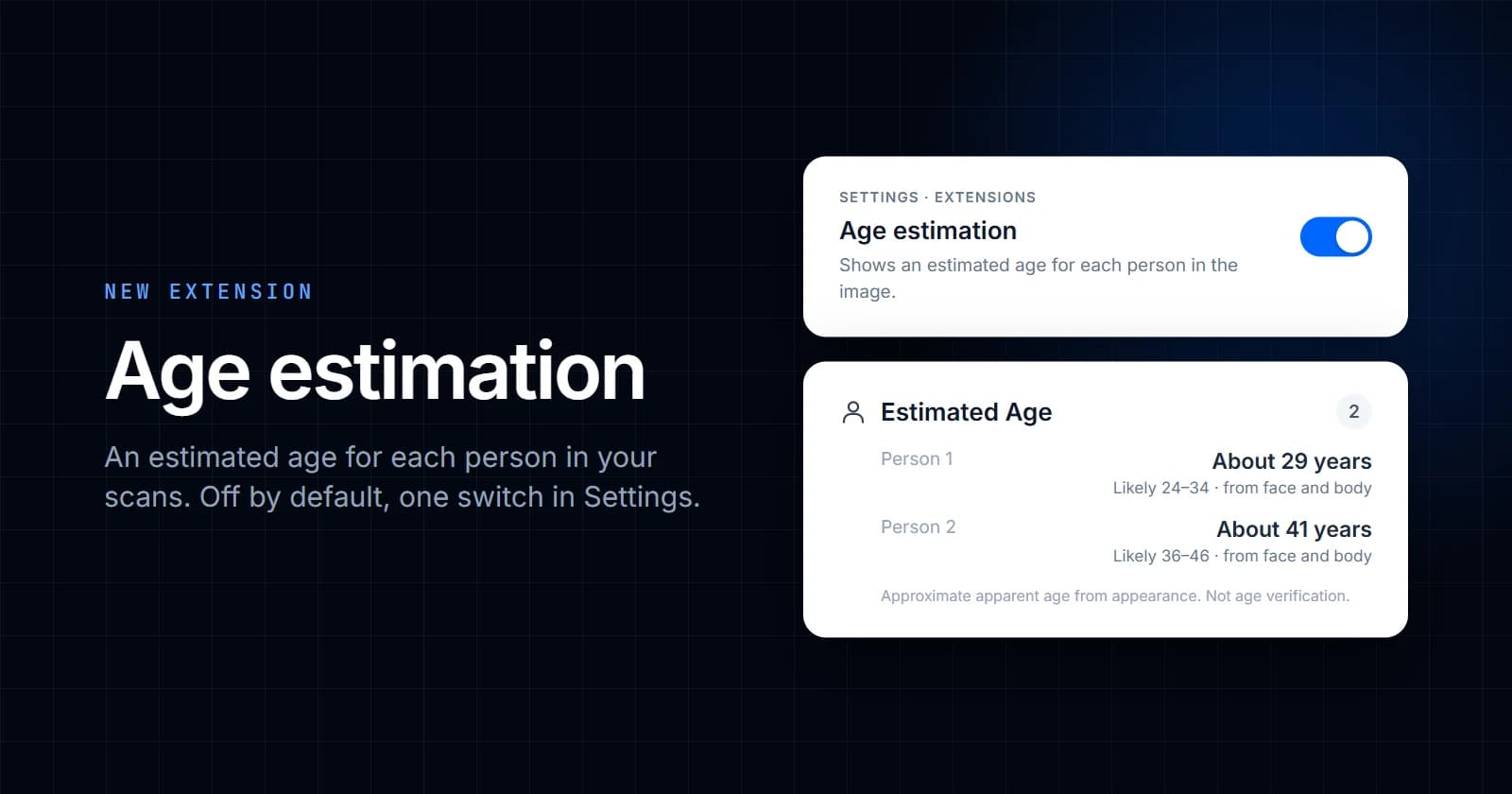
New in Sightova: Age Estimation, an Extension You Turn On in Settings
Sightova can now estimate the apparent age of each person in an image. It's off by default: switch it on under Settings → Extensions and every AI image check shows an estimated age and a likely range, in the dashboard and through the API.
October 29, 2026 · 4 min read
Detect synthetic media now.
Reveal AI generation, invisible watermarks and content credentials in seconds. Start free, no credit card needed.